
Understanding Sleep Problems: Causes, Symptoms & Solutions
Struggling with sleep problems? Learn the most common causes of sleep issues, how sleep apnea and other disorders disrupt rest, and practical tips to reclaim a better night’s sleep. Discover solutions for deeper, more restorative sleep.
3/18/20264 min read


This post may contain affiliate links, which means I might earn a small commission (at no extra cost to you) if you decide to make a purchase through one of these links. I only recommend products I actually use or genuinely believe will bring value. Thanks for the support!
Good sleep isn’t a luxury — it’s essential for physical health, mental clarity, emotional stability, and overall quality of life. Yet millions of people worldwide struggle with sleep problems, from intermittent insomnia to chronic conditions like sleep apnea. If you’ve ever tossed and turned in bed, woken up feeling tired, or relied on caffeine to get through the day, this article is for you.
In this comprehensive guide, you’ll learn what causes sleep issues, common symptoms to watch for, effective strategies for improving sleep quality, and when it might be time to seek professional help. Let’s explore the science of sleep and how to protect this vital rhythm in your life.
What Are Sleep Problems?
Sleep problems — also called sleep disturbances or sleep disorders — affect how well you fall asleep, stay asleep, and wake feeling refreshed. These issues can be temporary, triggered by stress or lifestyle changes, or chronic, stemming from underlying medical conditions.
Some of the most common sleep problems include:
• Insomnia: Difficulty falling or staying asleep.
• Sleep Apnea: Brief interruptions in breathing during sleep.
• Restless Legs Syndrome (RLS): Uncomfortable sensations that make legs hard to rest.
• Circadian Rhythm Disorders: Disruptions in your internal sleep–wake cycle.
• Parasomnias: Abnormal sleep behaviors like sleepwalking or night terrors.
Each of these can impact the quality and duration of your sleep in different ways, leading to daytime fatigue, poor concentration, and health complications over time.
Why Sleep Problems Happen
Stress and Anxiety
High stress levels activate your body’s “fight or flight” response, making it harder to wind down at night.
Poor Sleep Environment or Habits
Light, noise, uncomfortable bedding, irregular sleep schedules, and screens before bed can all interfere with your natural sleep cycle.
Medical Conditions
Chronic pain, GERD (acid reflux), hormonal imbalances, and neurological disorders can significantly disrupt sleep.
Sleep Apnea — A Major Contributor
One of the most underdiagnosed causes of sleep disturbance is sleep apnea. This condition causes repeated pauses in breathing during sleep, prompting brief awakenings that fragment rest. Although a person may not remember waking up, sleep apnea reduces deep, restorative sleep, leading to exhaustion and increased health risks like high blood pressure and heart disease.
Sleep apnea can be further classified as:
Obstructive Sleep Apnea (OSA): Caused by blocked airflow due to relaxed throat muscles.
Central Sleep Apnea (CSA): Caused by brain signals failing to trigger breathing properly.
Tired of flipping your pillow all night? There’s a better way.
Signs You Might Have a Sleep Disorder
You may be experiencing a sleep problem if you:
✔ Take longer than 30 minutes to fall asleep
✔ Wake up multiple times during the night
✔ Snore loudly or gasp for air while sleeping
✔ Feel tired even after 7–8 hours in bed
✔ Struggle with concentration, memory, or mood swings during the day
If these issues persist, they could be signs of a deeper problem like sleep apnea or chronic insomnia.
Practical Tips to Improve Sleep Quality
Improving sleep doesn’t always require medication or expensive treatments. Start with simple, evidence-based changes:
1. Create a Sleep-Friendly Environment
Keep your bedroom cool, dark, and quiet.
Invest in a comfortable mattress and pillows.
Use black-out curtains or eye masks if needed.
2. Establish a Consistent Sleep Routine
Go to bed and wake up at the same time every day — even on weekends — to regulate your body clock.
3. Limit Screen Time Before Bed
Blue light from phones and computers interferes with melatonin production, the hormone that signals your body it’s time to sleep.
4. Avoid Heavy Meals, Caffeine & Alcohol at Night
These can interfere with your ability to fall and stay asleep.
5. Practice Relaxation Techniques
Gentle stretching, deep breathing, meditation, or reading can calm the mind before sleep.
If lifestyle changes don’t improve your sleep, consider speaking with a healthcare provider, especially if symptoms like loud snoring, gasping for air, or persistent fatigue are present.
Neck pain in the morning? This could change everything.




When to See a Sleep Professional
Persistent sleep problems — especially those affecting daily performance — deserve medical evaluation. Conditions such as sleep apnea may require a sleep study (polysomnography) followed by targeted treatments like CPAP therapy, oral appliances, or lifestyle adjustments.
A sleep professional can assess your symptoms, recommend testing, and develop a personalized plan that improves sleep quality and overall health.
Final Thoughts
Sleep is not optional — it’s a biological necessity with profound effects on your physical and mental well-being. Whether your sleep problems stem from stress, lifestyle habits, or medical conditions, understanding the root cause is the first step toward deeper, more restorative sleep.
If you suspect sleep apnea or another serious sleep disorder, early diagnosis and treatment can make a life-changing difference. Prioritize your sleep — your body and brain will thank you.
Struggling to get comfortable no matter how you sleep? Try this.
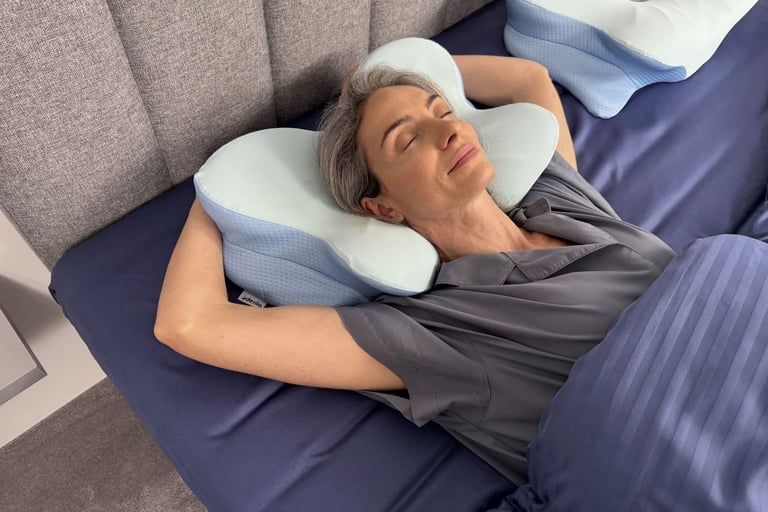
If you suffer from persistent neck pain that turns into headaches or numbness, wake up with back tension that never fully goes away, or struggle with loud snoring and interrupted breathing during the night, your sleep posture may be working against your body more than you realize. When the spine is not properly aligned, muscles overcompensate, airways can become restricted, and the body never fully relaxes — leading to poor recovery night after night. The good news is that these issues are often not permanent, and small changes in how your body is supported during sleep can make a significant difference. Discover how a smarter approach to alignment and support can help you sleep deeper, breathe better, and wake up without discomfort.
Connect
Stay in touch for daily wellness tips.
team@dailybalance-blog.com
© 2026. All rights reserved.