
New Research: 9 Fat-Loss Foods That Actually Help You Lose Weight — Including One Surprising Fruit
Discover the latest research-backed foods that help accelerate fat loss naturally — including how one everyday fruit may support metabolism, reduce hunger, and enhance weight loss results.
2/26/20264 min read
This post may contain affiliate links, which means I might earn a small commission (at no extra cost to you) if you decide to make a purchase through one of these links. I only recommend products I actually use or genuinely believe will bring value. Thanks for the support!
Losing weight can feel complex — but what if some of the foods you already eat are actually powerful allies in helping burn fat, control hunger, and support your metabolism? A growing body of research has identified specific foods and nutrients that do more than just fill your plate — they trigger biological responses that help your body access stored fat and regulate energy use.
One such discovery comes from a 2025 metabolic nutrition study published in The Journal of Nutritional Biochemistry, which found that certain compounds in everyday foods can increase thermogenesis — the body’s internal process of burning calories — and help balance hormones linked to appetite and fat storage.1
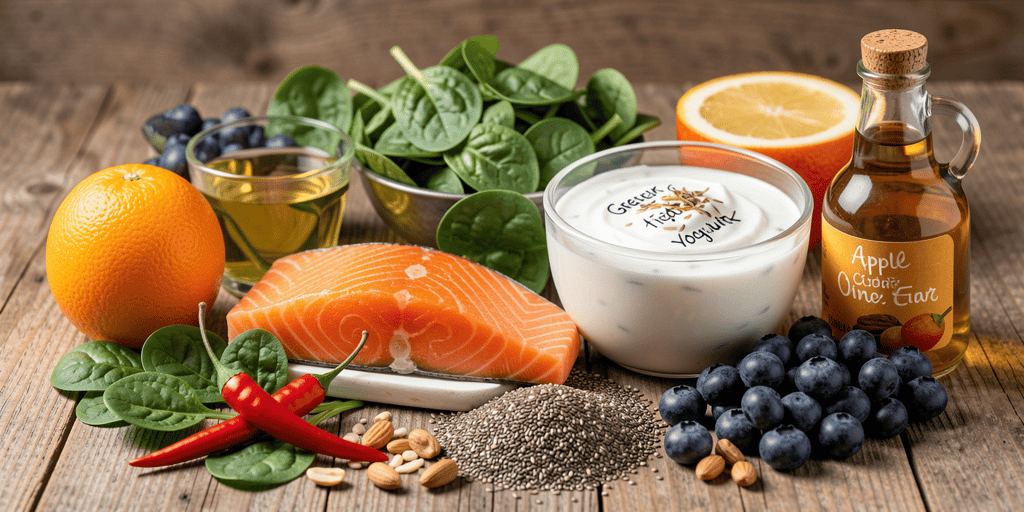
Today, we’ll explore nine research-backed fat-loss foods and explain how they work, including one surprising fruit: orange.
1. Orange — More Than Just Vitamin C
Oranges are well known for their vitamin C content, but recent research highlights another benefit: flavonoids like naringenin can influence metabolic pathways that help regulate blood sugar and increase fat oxidation.
A University of California study found that people who consumed citrus flavonoids daily experienced improved insulin sensitivity and a higher rate of post-meal fat burning compared with a control group. That means oranges don’t just feed you — certain compounds help your body manage energy more efficiently.
How to use it:
Eat a whole orange before meals to enhance satiety
Add orange slices to salads to slow digestion and stabilize blood sugar
Try warm orange peel water in the morning to support metabolic activation
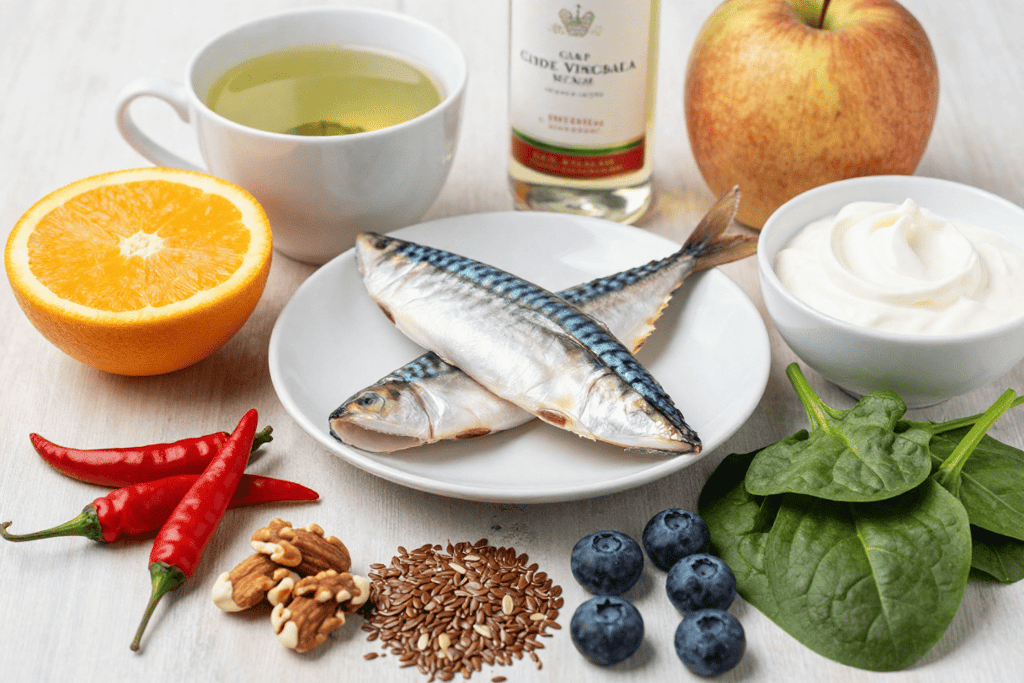
2. Fatty Fish (Salmon, Mackerel, Sardines)
Fatty fish are rich in omega-3 fatty acids, which are known to reduce inflammation and improve insulin sensitivity — both key for effective fat loss. A 2024 nutrition review found that individuals who consumed omega-3–rich fish regularly had lower visceral fat and better weight-loss responses when combined with diet and exercise.
3. Green Tea and EGCG Extract
Green tea contains epigallocatechin gallate (EGCG), a powerful antioxidant shown to increase metabolic rate and enhance fat oxidation — especially when consumed before exercise. A 2023 study observed a 4–5% increase in fat burning in participants who drank green tea daily.
4. Greek Yogurt (High-Protein Dairy)
Protein supports muscle preservation and satiety — both crucial for fat loss. Greek yogurt delivers a double benefit: high-quality protein and probiotics for gut health. A study published in Appetite found that participants who ate a high-protein dairy breakfast reported lower hunger and reduced calorie intake later in the day.
5. Chili Peppers and Capsaicin
Capsaicin, the compound that gives chili peppers their heat, also has thermogenic effects — meaning it makes the body burn slightly more calories as it digests. Research suggests that capsaicin can increase energy expenditure after meals.
6. Leafy Greens (Spinach, Kale, Swiss Chard)
Leafy greens are low in calories but high in fiber — which helps reduce appetite. Fiber slows digestion, stabilizes blood sugar, and supports long-term fat loss by making meals more satisfying.
7. Berries (Blueberries, Raspberries, Strawberries)
Berries are rich in polyphenols and fiber. Some polyphenols have been linked to improved fat oxidation and better energy metabolism.8 Adding berries to meals or snacks helps make your diet more fat-loss friendly.
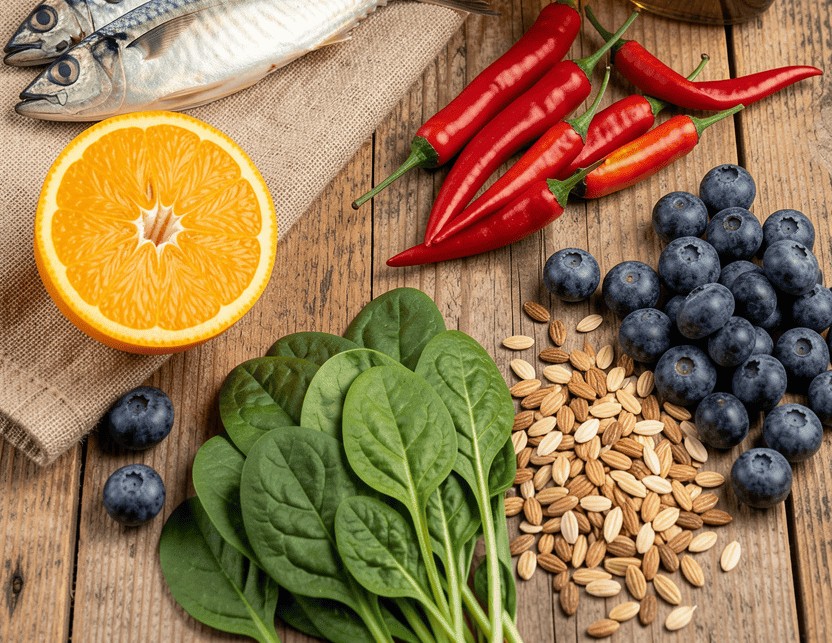
8. Nuts and Seeds (Almonds, Chia, Flax)
While high in calories, nuts and seeds deliver healthy fats, fiber, and protein — all of which promote fullness and metabolic health. Research indicates that people who include moderate nut intake tend to manage weight more effectively than those who avoid fats altogether.
9. Apple Cider Vinegar
Although ACV is often labeled a “fad,” controlled studies show that acetic acid — its main component — can lower post-meal insulin and reduce hunger, which may help with calorie control over time.
Why These Foods Work Together
The common thread among these fat-loss foods is that they:
Improve insulin sensitivity
Support metabolic flexibility (switching from glucose to fat burning)
Increase satiety, reducing overall calorie intake
Provide nutrients that influence appetite and hormone signaling
These effects are backed by research showing that food quality — not just calories — influences how your body processes and stores energy.
How This Relates to Your Metabolism
Metabolic adaptation — when the body becomes more efficient at conserving energy — is a common reason diets stall. By incorporating thermogenic and insulin-friendly foods, you’re not just eating “less,” but eating smarter. This shift helps create the hormonal and metabolic conditions that support fat oxidation without extreme calorie restriction.
Make These Foods Part of Your Daily Routine
Here’s a simple blueprint:
Start your day with Greek yogurt, berries, and orange slices
Add fatty fish or leafy greens at lunch and dinner
Include a cup of green tea mid-afternoon
Snack on nuts or seeds when hunger hits
Use chili peppers or apple cider vinegar to enhance flavor and metabolism
This approach supports fat loss while providing satiety, nutrients, and long-term sustainability — a strategy that outperforms short-term “dieting.”
Final Thoughts
Weight loss doesn’t have to be about deprivation. Research shows that everyday foods like oranges, green tea, fatty fish, and leafy greens can actively support your metabolism and fat-burning pathways. The key is not starving yourself — it’s choosing foods that encourage your body to use energy more efficiently.
With the right nutritional strategy, you can support your metabolism, reduce hunger, and make real progress toward fat loss — one meal at a time.
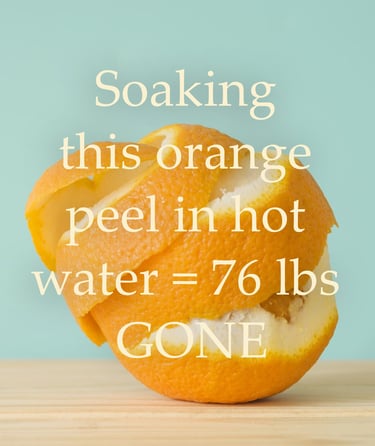
In many weight-loss communities, people often exchange small habits that quietly make their routines easier to maintain. Recently, a subtle conversation has been circulating among those who had long struggled with stubborn weight. Some began mentioning a surprisingly simple kitchen ritual involving something most people usually discard: the peel of an orange. What caught attention wasn’t just the simplicity, but the number of individuals who said they stumbled upon it almost by accident—curious enough to try it after hearing whispers about its potential role in melting belly fat. Watch➡︎
Connect
Stay in touch for daily wellness tips.
team@dailybalance-blog.com
© 2026. All rights reserved.