
Intermittent Fasting for Weight Loss – How to Lose Fat Without Starving
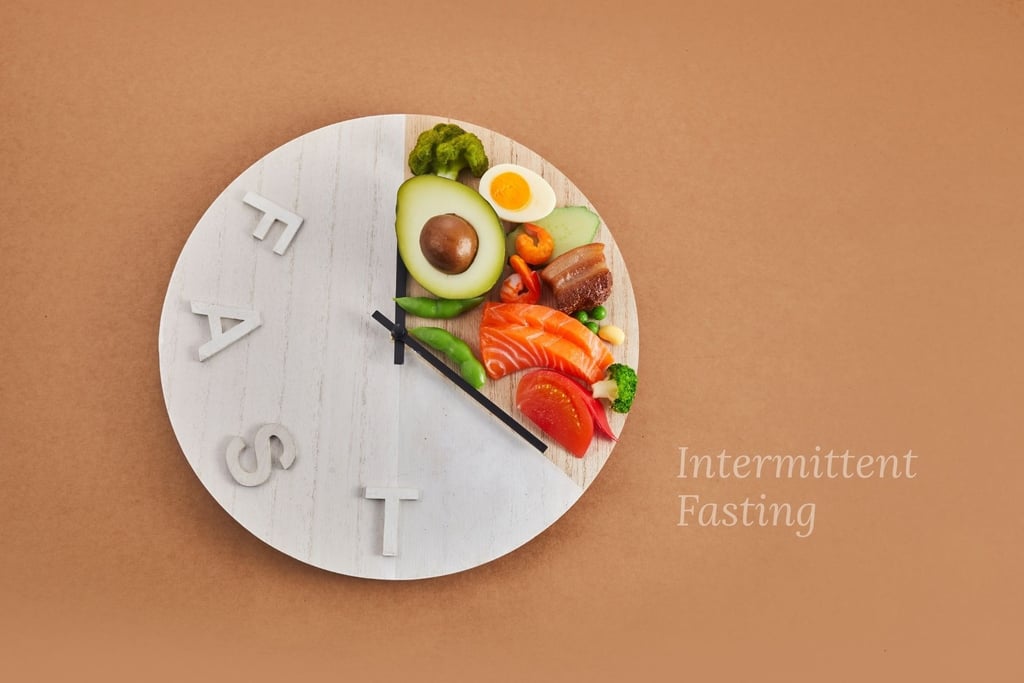
Intermittent fasting is a simple and effective approach to weight loss that focuses on when you eat rather than strict calorie counting. By creating fasting windows, it helps lower insulin levels, boost fat burning, and reduce constant hunger. With flexible methods like the 16:8, intermittent fasting fits easily into busy lifestyles and supports sustainable fat loss without extreme restriction or feeling deprived.
2/3/20263 min read
This post may contain affiliate links, which means I might earn a small commission (at no extra cost to you) if you decide to make a purchase through one of these links. I only recommend products I actually use or genuinely believe will bring value. Thanks for the support!
Intermittent fasting has quickly become one of the most searched weight loss strategies online. Many people are discovering that it can help reduce body fat, improve metabolic health, and simplify daily eating habits — without extreme calorie counting or restrictive diets.
Instead of focusing only on what you eat, intermittent fasting focuses on when you eat. By creating structured eating windows and fasting periods, the body becomes more efficient at burning stored fat for energy.
For those looking for a sustainable way to lose weight, intermittent fasting offers a flexible and science-supported approach that fits easily into most lifestyles.
What Is Intermittent Fasting?
Intermittent fasting (often abbreviated as IF) is an eating pattern that alternates between periods of eating and periods of fasting.
Rather than prescribing specific foods, it focuses on timing your meals.
The most common fasting method is the 16:8 protocol, which includes:
Fasting for 16 hours
Eating within an 8-hour window
Drinking water, black coffee, or unsweetened tea during fasting
Example schedule:
First meal: 12 PM
Last meal: 8 PM
Fasting period: 8 PM – 12 PM the next day
This structure helps the body shift its energy source from sugar to stored fat.


How Intermittent Fasting Helps Burn Fat
One of the main reasons intermittent fasting supports fat loss is its effect on insulin levels.
When you stop eating for several hours:
Insulin levels drop
The body begins using stored fat for fuel
Fat-burning hormones increase
This process is often called the metabolic switch.
Once this switch happens, the body becomes more efficient at burning fat instead of relying only on glucose from food.
Benefits many people report include:
Reduced belly fat
Better energy levels
Improved metabolic flexibility
Gradual and sustainable weight loss
Many people trying intermittent fasting eventually start sharing small tricks that seem to make the process easier. Recently, a quiet discussion has been growing in weight-loss communities about a surprisingly simple habit involving something most people throw away after eating an orange.
Some claim they discovered it while experimenting with natural ways to support fat loss — and were surprised by what happened next. Curious to see why so many people are talking about it? Watch ➡︎


Appetite Control and Reduced Snacking
Another powerful benefit of intermittent fasting is hunger regulation.
When practiced consistently, fasting can help regulate hormones responsible for hunger, especially ghrelin.
As a result, many people notice:
Less constant hunger
Fewer cravings
Reduced emotional eating
Natural calorie reduction
Instead of eating throughout the entire day, people often find themselves satisfied with two or three balanced meals.
This is one reason intermittent fasting is often easier to maintain than strict diets.
How Beginners Can Start Intermittent Fasting
Starting intermittent fasting does not need to be extreme.
For beginners, the best strategy is to start gradually.
Beginner fasting schedule
Try a 14:10 method first:
14 hours fasting
10 hours eating window
After your body adapts, you can slowly move to 16:8.
During your eating window prioritize:
Protein-rich foods
Healthy fats
Fiber-rich vegetables
Whole, minimally processed foods
These foods help:
Stabilize blood sugar
Reduce cravings
Maintain energy levels
Support sustainable fat loss


Why Intermittent Fasting Fits Busy Lifestyles
One of the biggest advantages of intermittent fasting is simplicity.
Because you eat fewer meals, it often means:
Less meal planning
Less calorie tracking
Less constant snacking
It can also combine easily with different eating styles, including:
Low-carb diets
Mediterranean diet
Balanced whole-food diets
For people trying to lose stubborn belly fat, improve metabolic health, or simplify their routine, intermittent fasting offers a flexible solution that does not rely on extreme restrictions.
A Curious Habit Some People Are Talking About
In many weight-loss communities, people often exchange small habits that quietly make their routines easier to maintain.
Recently, a subtle conversation has been circulating among those who had long struggled with stubborn weight.
Some began mentioning a surprisingly simple kitchen ritual involving something most people usually discard: the peel of an orange.
What caught attention wasn’t just the simplicity, but the number of individuals who said they discovered it almost by accident.
Curious enough to try it after hearing whispers about its potential role in helping reduce stubborn belly fat, many began experimenting with it in their daily routine.
Connect
Stay in touch for daily wellness tips.
team@dailybalance-blog.com
© 2026. All rights reserved.