
How to Accelerate Weight Loss Without Starving
Learn how to accelerate weight loss without extreme dieting. Discover how intermittent fasting, balanced nutrition, and lifestyle habits can boost metabolism, reduce hunger, and support sustainable fat loss.
2/18/20264 min read


This post may contain affiliate links, which means I might earn a small commission (at no extra cost to you) if you decide to make a purchase through one of these links. I only recommend products I actually use or genuinely believe will bring value. Thanks for the support!
Many people believe that losing weight faster requires eating less and tolerating constant hunger. In reality, excessive restriction often slows metabolism, increases cravings, and makes weight loss harder over time. A more effective approach is to optimize how the body uses energy — and this is where intermittent fasting can play an important role.
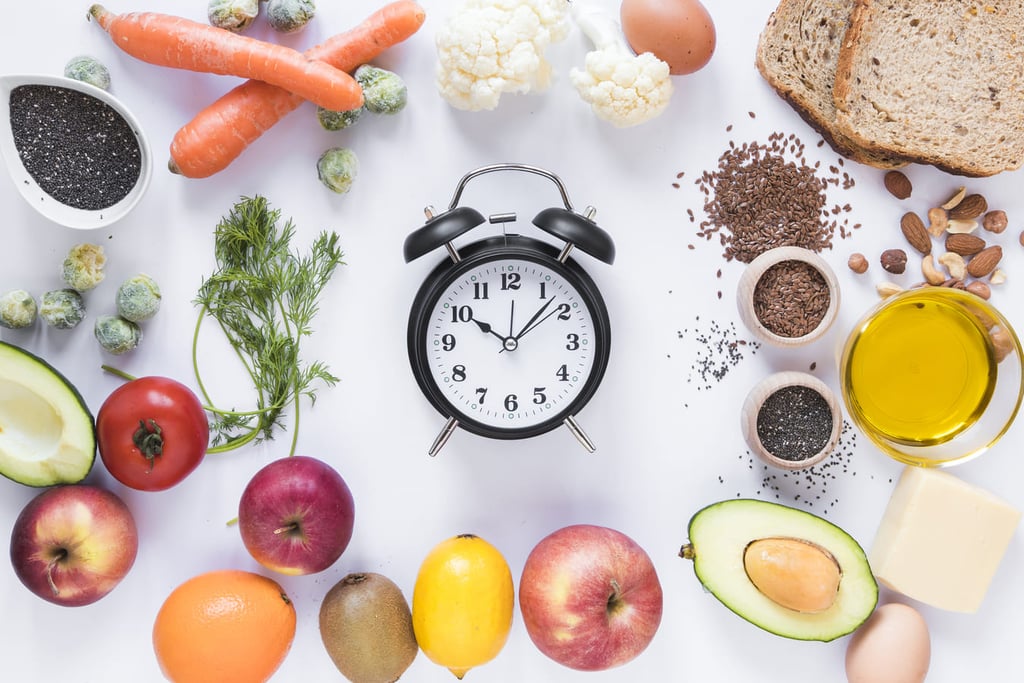
Intermittent fasting is not primarily about eating fewer calories, but about creating structured periods without food that allow insulin levels to fall and fat burning to increase. When used correctly, it helps the body access stored fat more efficiently while naturally regulating appetite.
Why Intermittent Fasting Can Accelerate Fat Loss
One of the key mechanisms behind intermittent fasting is improved insulin regulation. Each time we eat, insulin rises to help process nutrients. When eating occurs frequently throughout the day, insulin levels remain elevated, making fat burning more difficult.
Fasting periods give insulin levels time to drop, allowing the body to shift from using glucose to using stored fat as fuel. This metabolic flexibility is one of the reasons intermittent fasting can support faster fat loss without severe calorie restriction.
Another advantage is appetite regulation. Many people notice that after an adaptation period, hunger becomes more stable and cravings decrease, making it easier to maintain a moderate calorie deficit naturally.
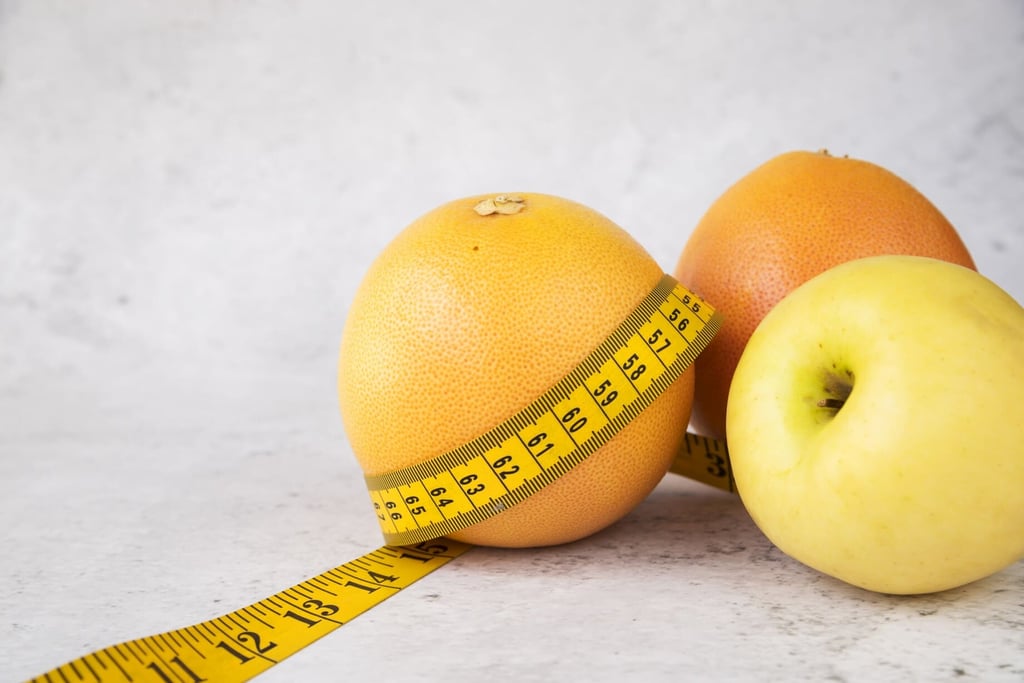
In many weight-loss communities, people often exchange small habits that quietly make their routines easier to maintain. Recently, a subtle conversation has been circulating among those who had long struggled with stubborn weight. Some began mentioning a surprisingly simple kitchen ritual involving something most people usually discard: the peel of an orange.
What caught attention wasn’t just the simplicity, but the number of individuals who said they stumbled upon it almost by accident—curious enough to try it after hearing whispers about its potential role in melting belly fat. Watch ➡︎
The Mistake That Slows Results: Eating Poorly During Eating Windows
Intermittent fasting is effective, but results depend heavily on food quality. If eating windows are filled with refined carbohydrates, sugary foods, or ultra-processed meals, insulin spikes remain high and fat loss slows.
To accelerate results, meals should focus on:
Protein to preserve muscle and improve satiety
Healthy fats to stabilize energy
Fiber-rich foods to support digestion and blood sugar control
Whole, minimally processed foods
These choices help maintain stable energy levels and prevent overeating.
Protein and Muscle: Protecting Metabolism While Losing Fat
Preserving lean muscle mass is essential for maintaining metabolic rate. When protein intake is too low, the body may lose muscle during weight loss, which slows metabolism and reduces long-term results.
Combining intermittent fasting with adequate protein intake and resistance training helps maintain muscle and keeps metabolism more active.
Simple strategies include:
Including protein in the first meal of the day
Engaging in strength training two to three times per week
Avoiding excessively long fasts without proper nutrition


Daily Movement Still Matters
While intermittent fasting helps regulate hormones and energy use, total daily movement plays a major role in calorie expenditure. Walking, household tasks, and general activity significantly influence fat loss.
Increasing daily steps and reducing long periods of sitting can accelerate results without increasing hunger or stress.
Sleep and Stress: The Hidden Factors
Sleep and stress strongly affect weight loss, even when diet and fasting are well structured. Poor sleep increases cortisol and disrupts hunger hormones, often leading to increased cravings and reduced fat burning.
Chronic stress has a similar effect, encouraging fat storage, particularly in the abdominal area. Supporting recovery and relaxation helps the body remain in a state more favorable to fat loss.
How to Start Intermittent Fasting Safely
A gentle approach often works best, especially for beginners. The 12:12 or 14:10 fasting schedule allows the body to adapt gradually before moving to longer fasting windows if desired.
Key tips:
Stay hydrated during fasting periods
Break the fast with balanced meals
Avoid extreme calorie restriction
Focus on consistency rather than perfection
Conclusion
Accelerating weight loss does not require starvation or extreme diets. Intermittent fasting, combined with balanced nutrition, adequate protein, daily movement, quality sleep, and stress management, creates an environment where the body burns fat more efficiently and hunger remains manageable.
The most effective strategy is not eating less at any cost, but aligning eating patterns and lifestyle habits with how metabolism naturally works. Sustainable fat loss comes from consistency, not extremes.
Watch→ Soaking this orange peel in hot water = 76 lbs GONE →
Connect
Stay in touch for daily wellness tips.
team@dailybalance-blog.com
© 2026. All rights reserved.